
From CIO Dinner Deal to Product Led Growth
For decades, large software contracts were decided in closed meeting rooms and at exclusive executive dinners. Today this model is rapidly being replaced. In the modern B2B landscape software is not primarily sold, it is adopted by users who experience value before any contract is signed. Product Led Growth, often abbreviated PLG, describes this shift toward the product as the main driver of acquisition, expansion and retention instead of classic sales led playbooks. productled PLG has become a core go to market motion for many B2B SaaS companies because it reduces customer acquisition costs and aligns product teams more closely with real user needs. Companies that successfully implement PLG use the product experience to generate engaged users who later become high intent leads for sales, often called product qualified leads. ingestro
The New Buying Center Inside Organizations
In the traditional model a vendor pitched to the C suite or a central IT department, an RFP was issued, and after a long evaluation phase one tool was rolled out top down across the organization. That approach is increasingly too slow and too detached from the day to day work of modern teams. mckinsey Today the buying center is highly decentralized. Individual contributors discover, test and adopt tools that solve immediate problems. A frontend developer might deploy a side project on Vercel to simplify previews and production deployments, while a data analyst launches a Supabase database to avoid waiting weeks for internal infrastructure. Over time these individual experiments harden into team level standards and eventually become de facto company wide platforms. supabase This bottom up adoption pattern is often described as bottom up SaaS. Vendors focus on winning individual users or small teams first and only later formalize an enterprise wide relationship. The key is that decision power starts with the end user rather than with procurement. userpilot
Why Young Companies Lead the Way
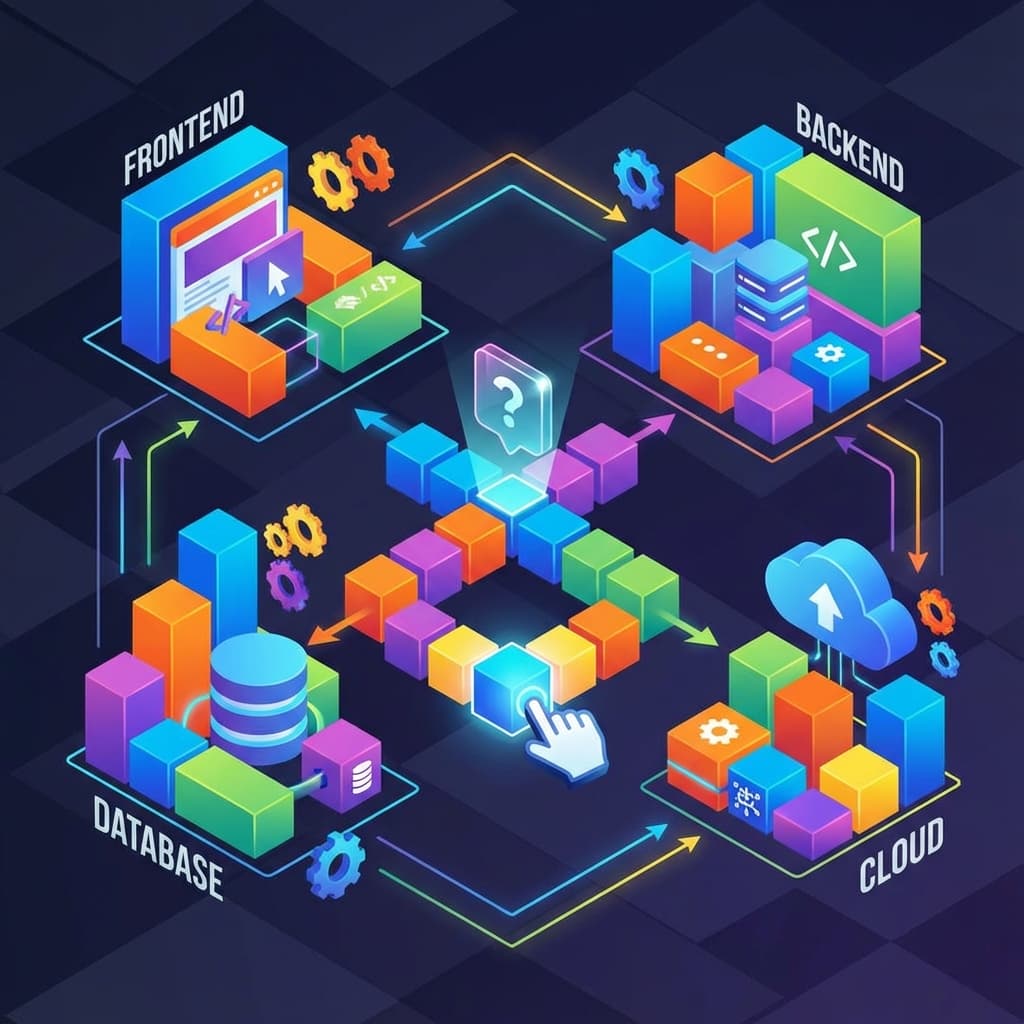
Startups and younger companies are usually the first to embrace new tools and architectures. They are less constrained by legacy systems and formal procurement rules, so they can optimize for speed, developer experience and fast iteration. When a team of ten people can ship features with a modern stack consisting of Vercel as frontend hosting and Supabase as database and auth layer, they create a visible productivity benchmark. Larger enterprises watch these setups closely to learn how to recapture similar velocity. dev Young companies also gravitate naturally toward PLG products because they can start using them with minimal friction. They do not need budget approvals to spin up a free tier database or to test a collaboration tool with a small team. This makes them an ideal testing ground for vendors who want to refine onboarding, clarify value propositions and validate pricing before moving upstream to enterprise deals. chainrelations
The Role of Free Tiers and Proofs of Concept
A central element of modern software buying is that hardly anyone wants to buy sight unseen. Most PLG strategies rely on some variation of free tier, freemium or time limited free trial to let users experience value quickly. Free plans often limit capacity or features while paid tiers unlock advanced capabilities, and free trials provide full functionality for a short period. In both models users can test the fit with their workflow before they commit budget. productled However free tiers are not automatically a silver bullet for vendors. Several SaaS companies have scaled back or removed permanent free tiers because the cost of serving large numbers of non paying users can become unsustainable, especially when most support tickets come from free users. This has led to more nuanced free strategies and a stronger focus on converting serious evaluators rather than maximizing vanity sign up numbers. getmonetizely Proofs of concept have also changed character. Instead of a heavy consulting style POC led by the vendor, many teams now run self service POCs using existing product features and documentation. Once the internal team confirms that the tool works for their real workloads, they approach procurement with a concrete case. At this point the product is often already embedded in critical workflows which strongly influences the outcome of formal negotiations. bain
From Product Usage to Revenue
For PLG companies the real advantage lies in treating product usage data as a rich signal for expansion. Every feature click, team invite and attempted upgrade can indicate where a customer is on their journey from experimentation to deep adoption. Many organizations use these signals to define product qualified leads, which are then routed to sales or customer success for targeted outreach. thegrowthsyndicate This creates a hybrid motion sometimes described as product led sales. The product handles discovery, onboarding and early adoption, while sales teams focus on accounts that already show fit and intent. The result is a more efficient funnel where human touch points are applied where they have the highest impact. productled
What This Means for Vendors and Buyers
For software vendors the implications are clear. Winning the CIO dinner is no longer enough. The product must deliver a fast time to value for individual users, offer a frictionless way to start, and expose pricing and upgrade paths in a transparent way. Strong onboarding, thoughtful defaults and clear documentation are now just as important as traditional sales decks. uxcam For buyers especially in larger organizations the shift means that procurement and IT need new ways to discover which tools are already in use and which experiments are turning into critical dependencies. Governance, security reviews and cost control must adapt to a world where adoption often precedes formal approval. Organizations that embrace this reality can harness bottom up innovation while still maintaining necessary control and compliance. mckinsey If you want, the text can be tightened or adapted for a German speaking company blog or for LinkedIn, and the tone can be adjusted from analytical to more opinionated thought leadership.